with Carefully Curated
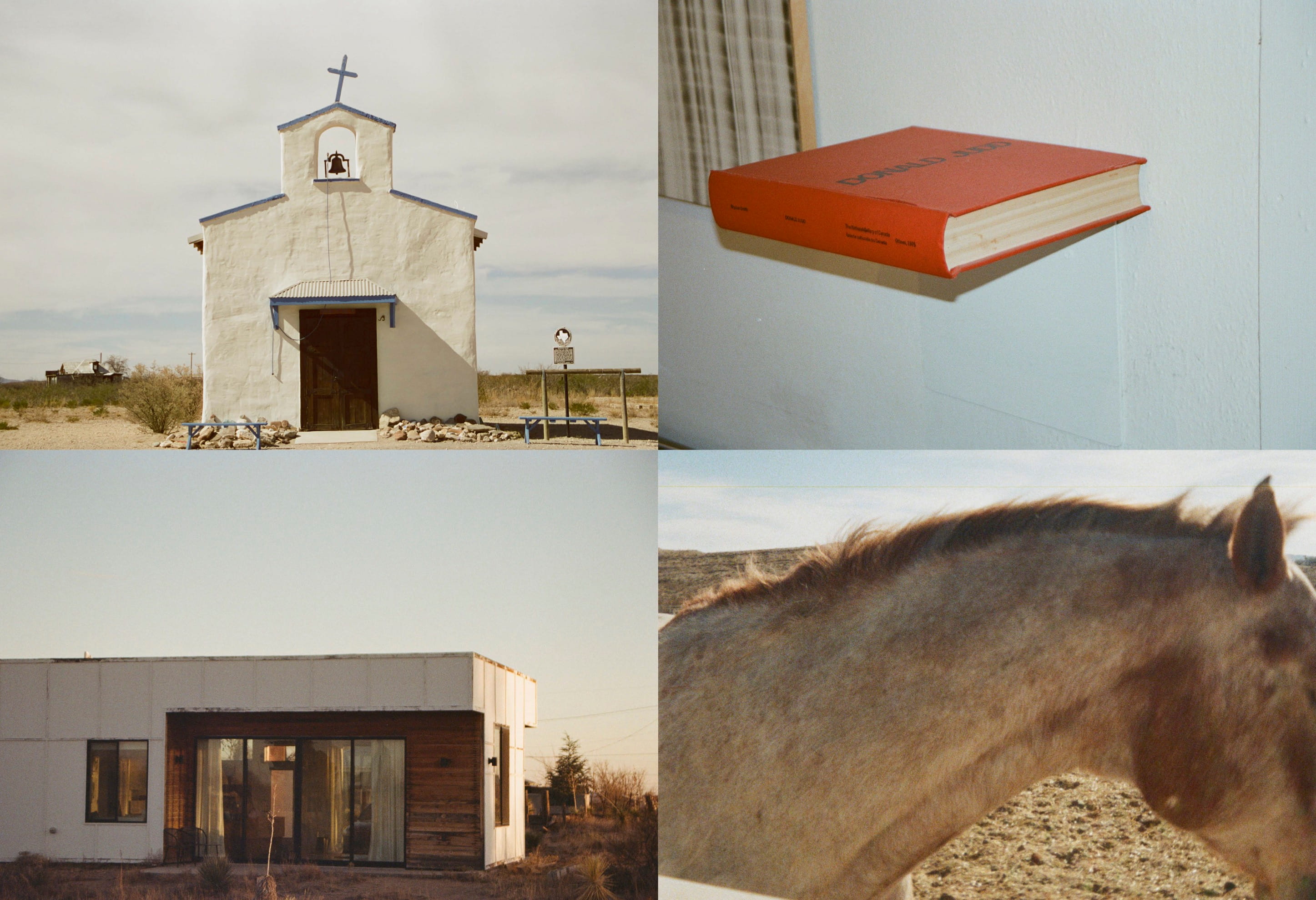
I drove east out of Marfa, past mile after mile of fenced-in rangeland dotted with Soaptree yucca, their flowering white columns of bell-like flowers catching what sunlight filtered down from the titanic clouds of Texas. Far to the north, Mount Livermore looked like a hump of brown clay sheathed in dust. With nightfall approaching, I stopped in at the visitor centre that offers the best view of the Marfa Lights – a strange occurrence of unexplained pinpricks of illumination that seem to dance across the surrounding plateau every evening. The lights might be an optical illusion, but nobody really knows. With no trees of any stature for a hundred miles in every direction, this was an ideal place to not just try to spot those paranormal lights, but watch the sky and earth confer.
The sun fell out of sight to the west and scarlet light leaked out of the banks of clouds bunched together at the horizon. Higher in the sky, lambent orange bands faded into Egyptian blue and the dizzying, vertical edge of a massive approaching thunderhead appeared to have been forged from gold. Like every such formation that makes it to West Texas, this one had begun its life as the evaporative product of the warm, shallow waters of the Gulf of Cortez. It then gusted across Arizona and New Mexico, depositing a modicum of rain over the thirsty earth on its trip east. Now, the thunderhead was skirted by a few layers of strato-form clouds; stacked like shelves, they were being pulled higher into the heavens by the air currents bumping into the mountains. A half-moon hung directly overhead; the wind gusted hard; the birds who lived in the visitor centre’s bathroom tittered. Electricity crackled in the thunderhead. Momentarily, a lightning bolt touched down in the Davis Mountains, piercing their vaporous, ultramarine veil.