Canary Islands, Spain
PROLOGUE
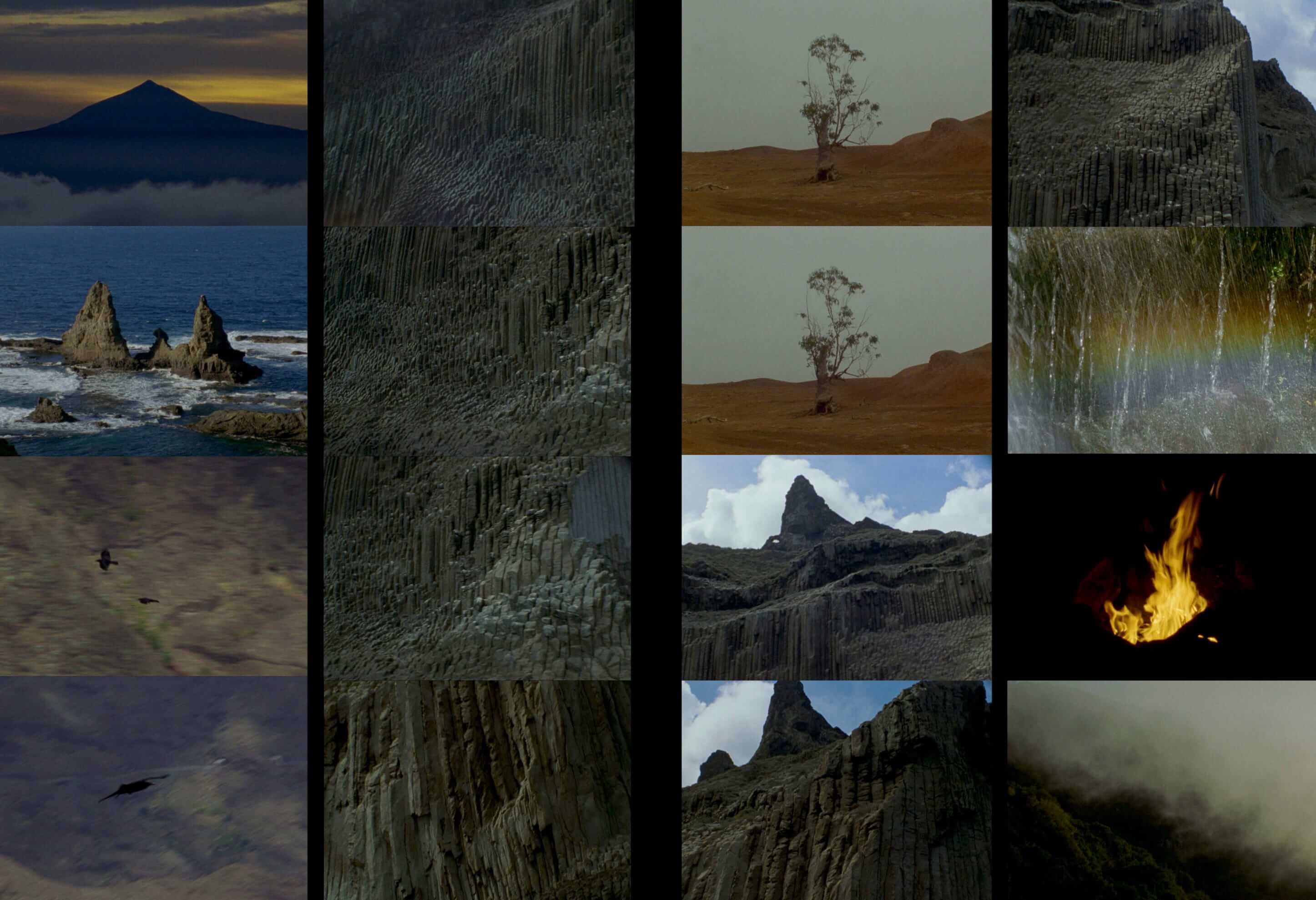
After a bumpy flight from Tenerife, La Gomera’s sister island, I landed on the shortest runway I’d ever encountered, squeezed between two cliffs. I rented a small car and made my way up to the top of the island, tuning into the radio while I followed a windy road weaving round the steep mountainsides. As I climbed higher, the landscape transformed from arid and rocky to a lush, humid green.
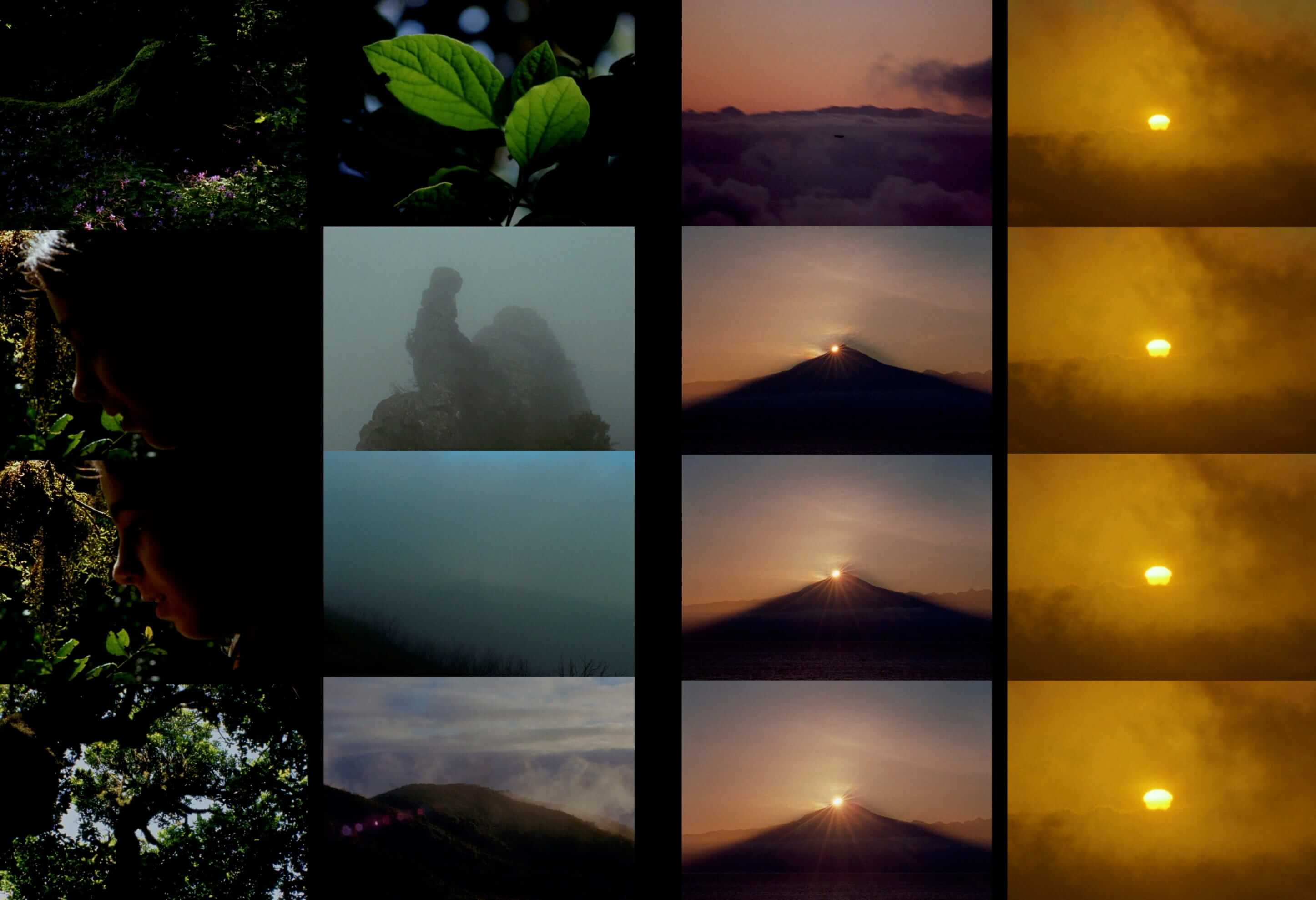
Garajonay National Park, situated in the island’s upper reaches, is an ancient forest that dates back millions of years. Spreading out among massive volcanic rock formations, the woodland is often covered in a blanket of clouds whose tiny water droplets are captured by the lichens, commonly known as old man’s beard, that drape over the trees. The constant mist, combined with the dense vegetation of laurels, ferns and mosses, give this place an otherworldly atmosphere.
As I left Garajonay I came to a tunnel. Driving in, the radio crackled and slid into white noise. Coming out the other side, distant sounds of Arabic music emerged – I seemed to have picked up a signal from a Moroccan or Saharawi station from across the sea. The music felt like it belonged to the landscape, but the signal shifted back to the local station. I slowly made my way down to the apartment in Valle Gran Rey, where Belén, a local musician, would host me during the coming weeks.
SILBO GOMERO,
AN INDIGENOUS HERITAGE
Fiuuuuuu! A stream of air is pushed through a narrow opening and emerges from the mouth, becoming a high-pitched sound that penetrates the soundscape to attract attention. Leaving the body, the sound cuts through the air, circulates and resonates in the atmosphere before reaching the ear of its intended recipient. Like many before me, what drew me to this place was a fascination with silbo gomero, the ancestral whistled language of the island. Silbo dates back to the time of the first settlers of La Gomera, populations of Amazigh origin who arrived from North Africa in the early Christian era. According to Murray Schafer’s terminology, silbo gomero can be considered a ‘soundmark’:
The term soundmark is derived from landmark and refers to a community sound which is unique or possesses qualities which make it specially regarded or noticed by the people in the community. Once a soundmark has been identified, it deserves to be protected, for soundmarks make the acoustic life of the community unique (Schafer, 1977: 10).
In its most elemental form, I believe that silbo gomero reflects humans’ capacity to mimic their surroundings, generating a series of resonances with the landscape, animals and plants that inhabit it. From this perspective, it is not far-fetched to think that humans began to whistle as a way to imitate the sound of birds. As Brandon LaBelle says in his book Lexicon of the Mouth, Poetics and Politics of Voice and the Oral Imaginary:
Whistling is our fundamental means for mimicking birdsong… To whistle in relation to events and things around us creates a channel by which to participate and influence surrounding environments (LaBelle, 2014: 177–8).
THE GESTUALITY OF THE WHISTLE
One of my first encounters on the island was with Francisco Correa, a very important figure in the preservation of silbo gomero today. He shared the turbulent history of this unique language with me, explaining how the arrival of the dictatorship in 1939 led to its persecution. Silbo was forced underground, becoming a clandestine tool used by locals to evade the Francoist laws. This repression, combined with the mass migration of the 1960s to larger islands like Tenerife, contributed to the gradual depopulation of La Gomera’s villages.
As the local inhabitants dispersed, their cultural practices, including silbo, began to erode, weakening the language’s connection to the land and its traditional methods of transmission. Following the arrival of phones and communication tools, the presence of silbo in the landscape diminished. It wasn’t until the 1990s that it experienced a resurgence, with a new focus placed on its preservation when it was added to the island’s school curriculum in an initiative driven by Chipude local Isidro Ortiz.
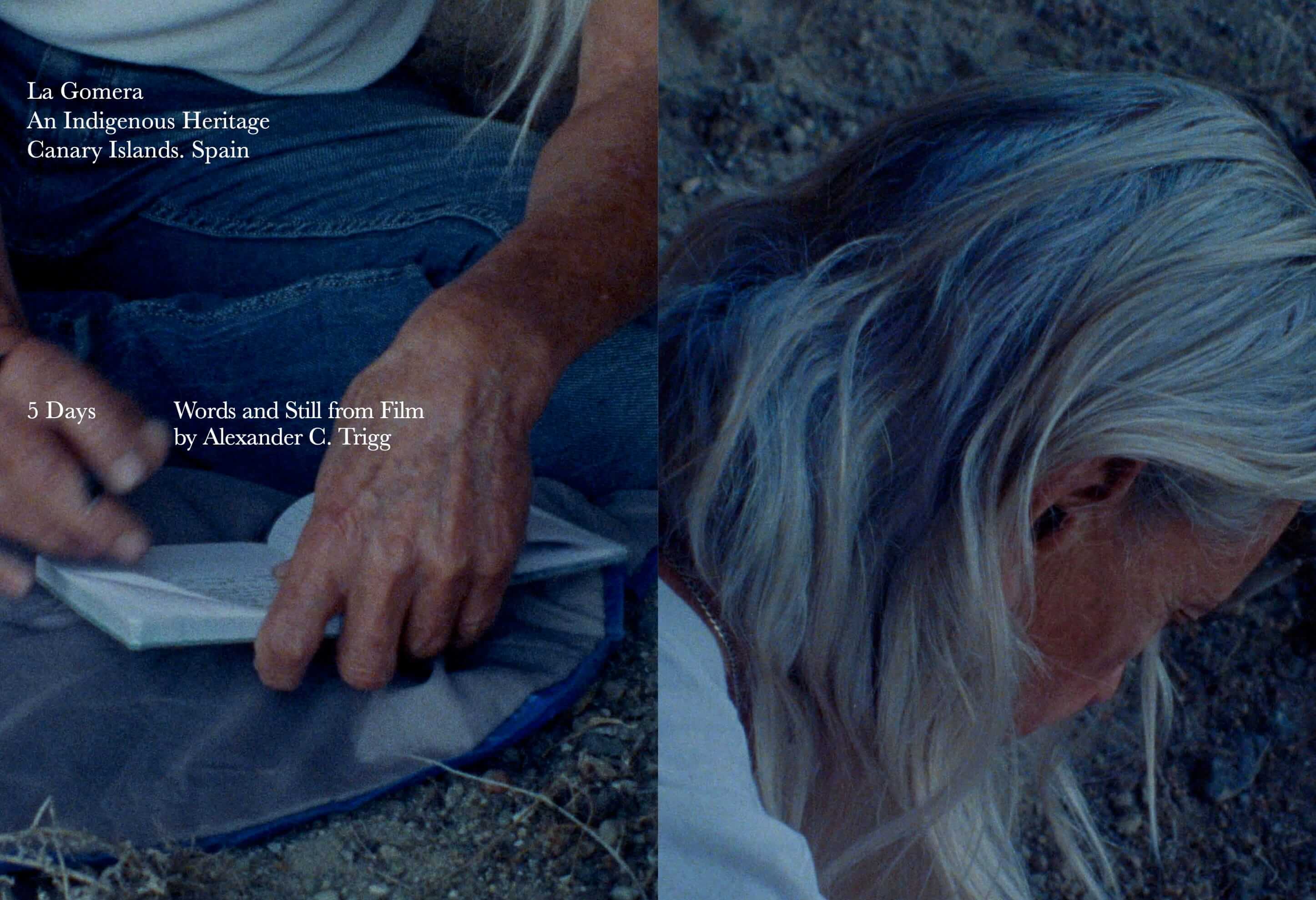
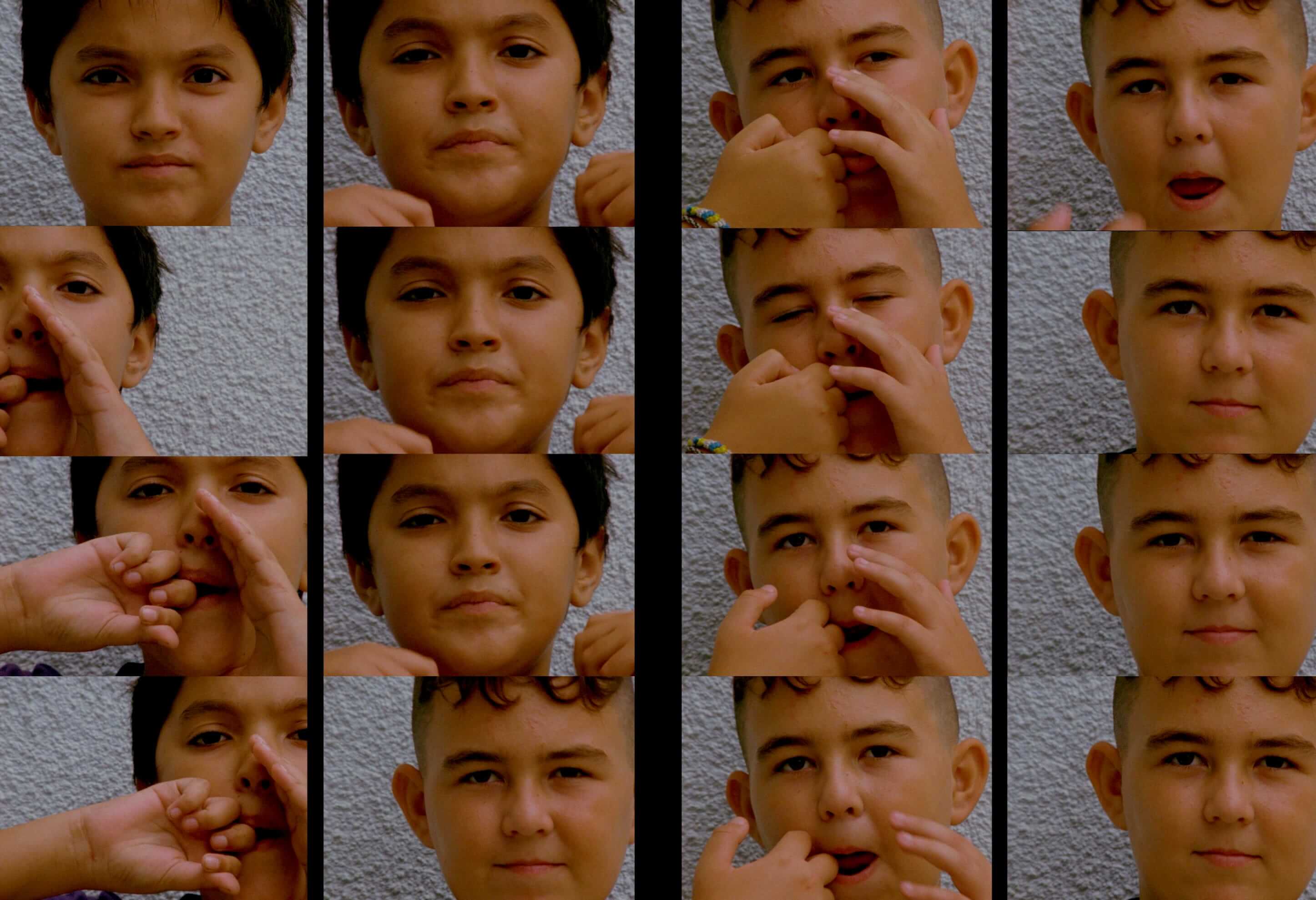
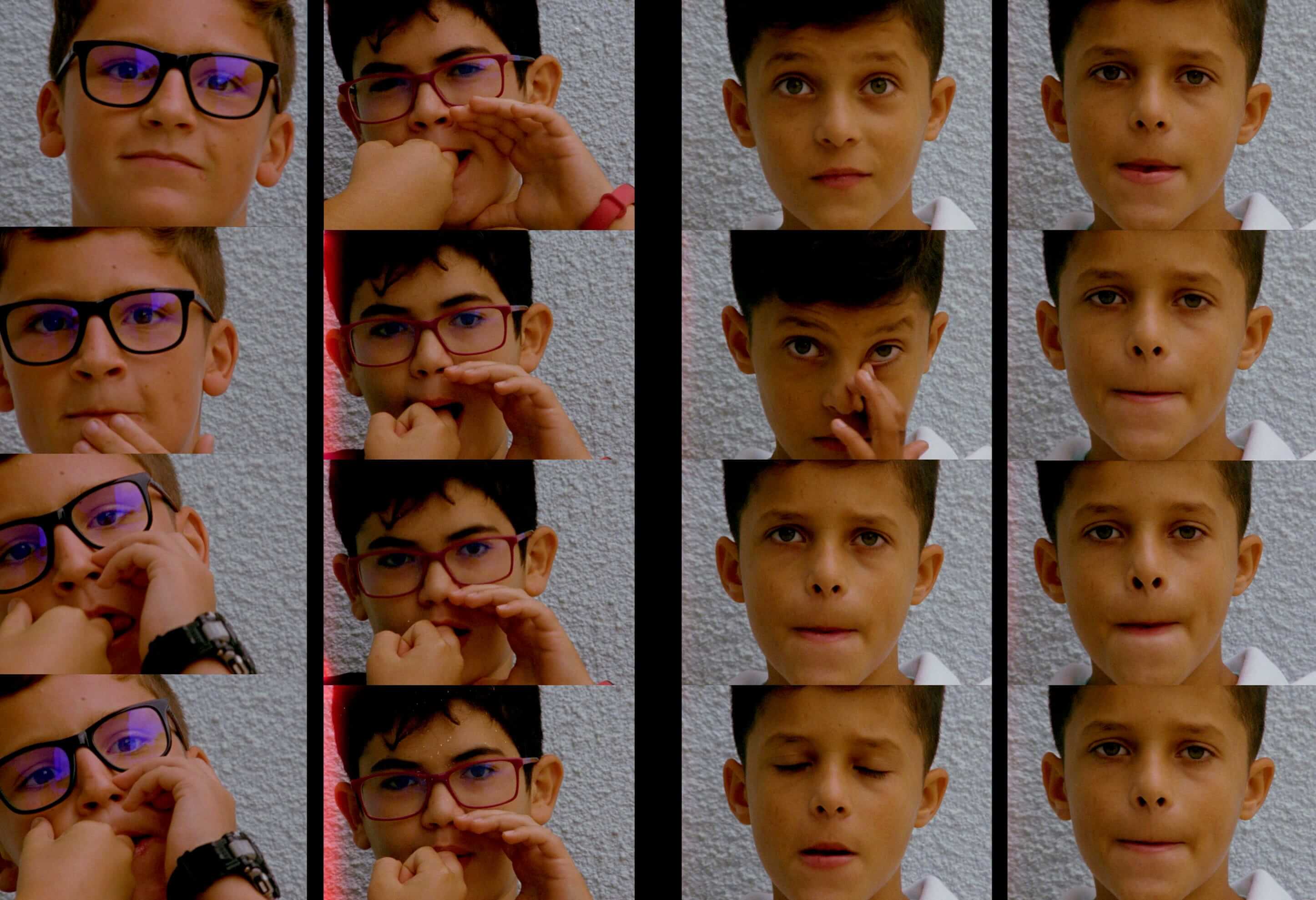
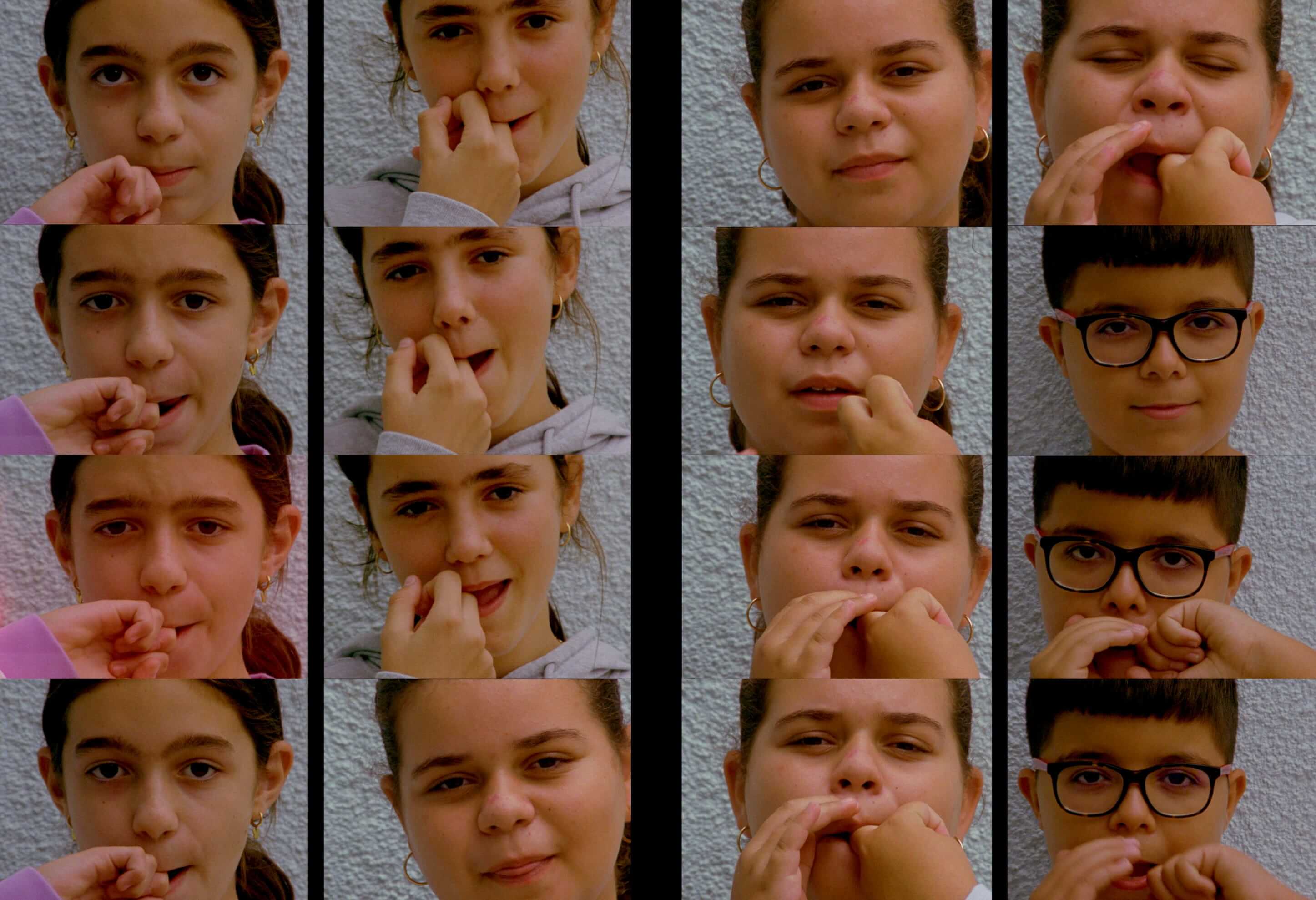
Interested in learning about the way this language was practised and perceived by the young generation, I was able to look in on some high school silbo lessons, thanks to Francisco Correa. At the same time I also came into contact with José Miguel Trujillo, a local anthropologist who put me in touch with the older generation of whistlers who had lived the language in the landscape. I wanted to understand the different generations’ experiential and cultural relationships with silbo. While the older generation learned to whistle in the environment, today’s students learn in the classroom, losing the original deep connection with the land.
I began making 16mm film portraits with my hand-cranked Bolex, capturing the subtle gestures – how fingers, tongues and lips shape the sound, how the tradition is embodied across the generations.
CUMBRE VIEJA
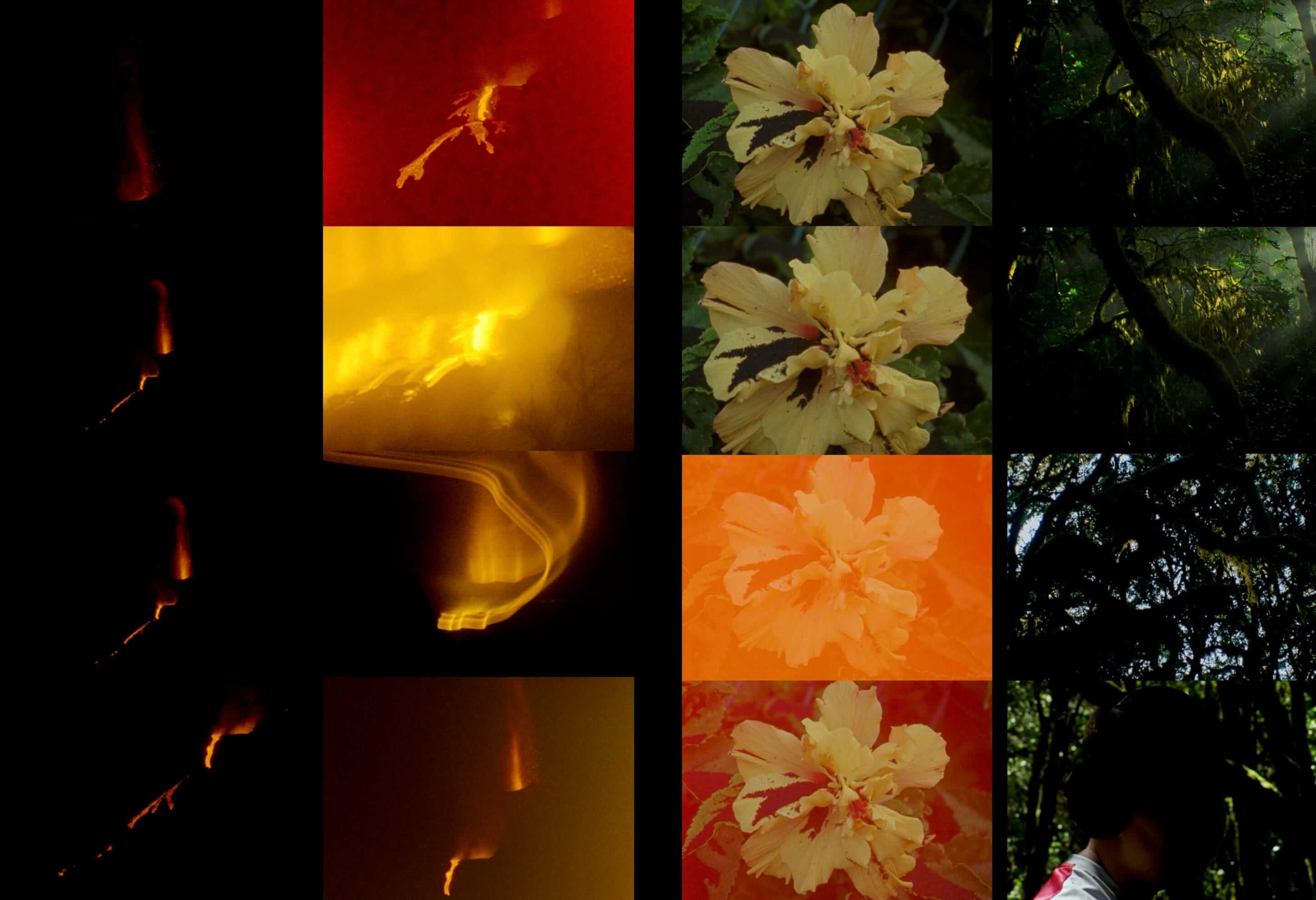
My first trip to La Gomera happened to coincide with the eruption of the volcano of Cumbre Vieja in La Palma, an island in the archipelago which is visible from La Gomera. On a clear day, if you looked northwest, you could see a soundless cloud of smoke emerging from the top of the volcano. When I arrived, the volcano had been erupting for over a month, showing no signs of stopping.
I was unsure about visiting due to the large numbers of tourists, which were causing difficulties for the local population and emergency services. However, friends from the Canary Islands encouraged me to go, saying it was a once-in-a-lifetime experience. My godfather, who lives in Tenerife, also called and insisted that we should go together. A week later, I took a ferry to La Palma.
Over the next three nights, we visited the volcano, trying to be as considerate as possible with the difficult situation that the locals were experiencing. I vividly remember the sound and how it arrived seconds after we saw the eruptions, like huge waves breaking on a shore. One morning, after filming through the night, I found a hibiscus flower, its petals weighed down by volcanic ash. The image lingered with me.
A LUMINOUS CAVE
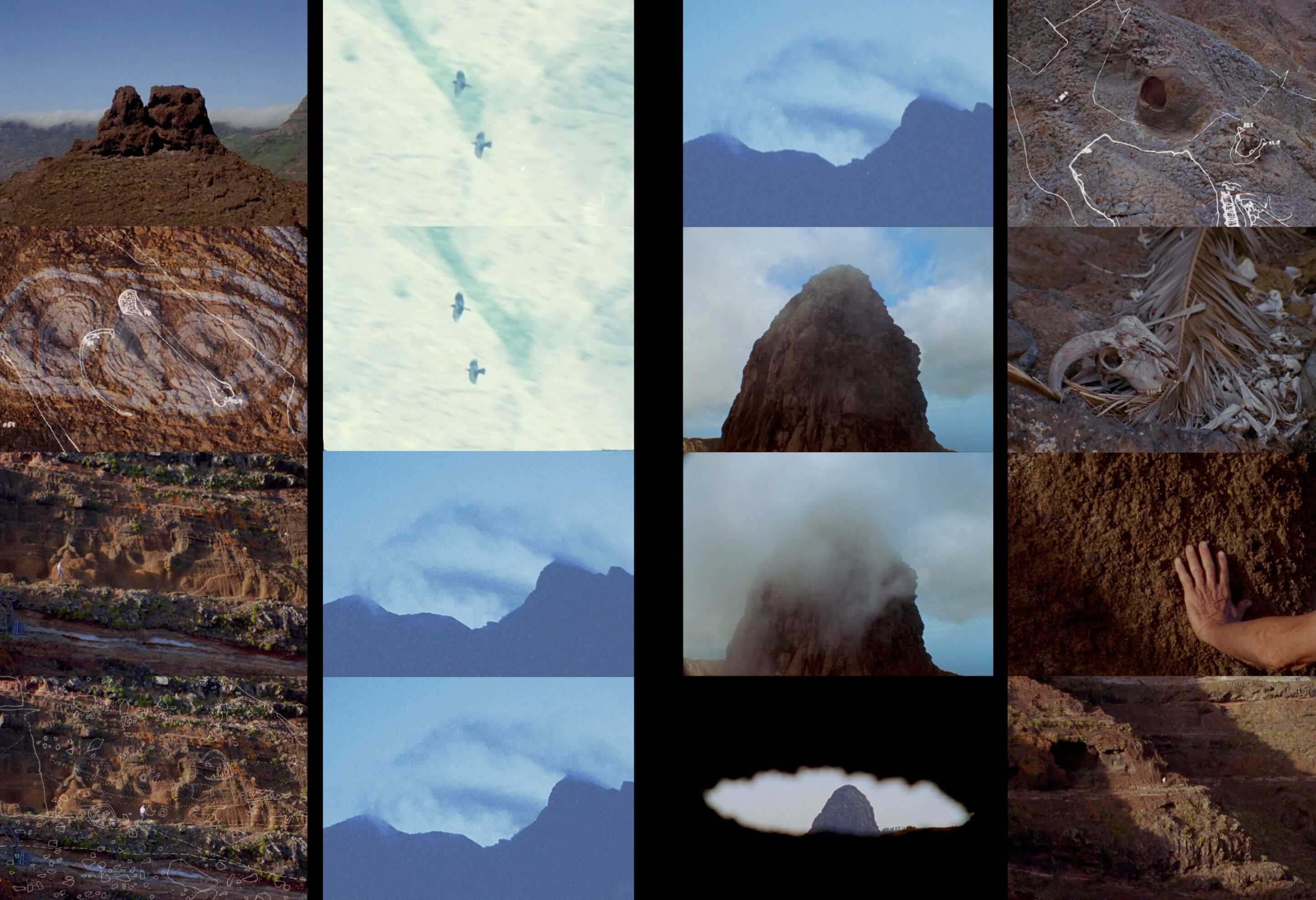
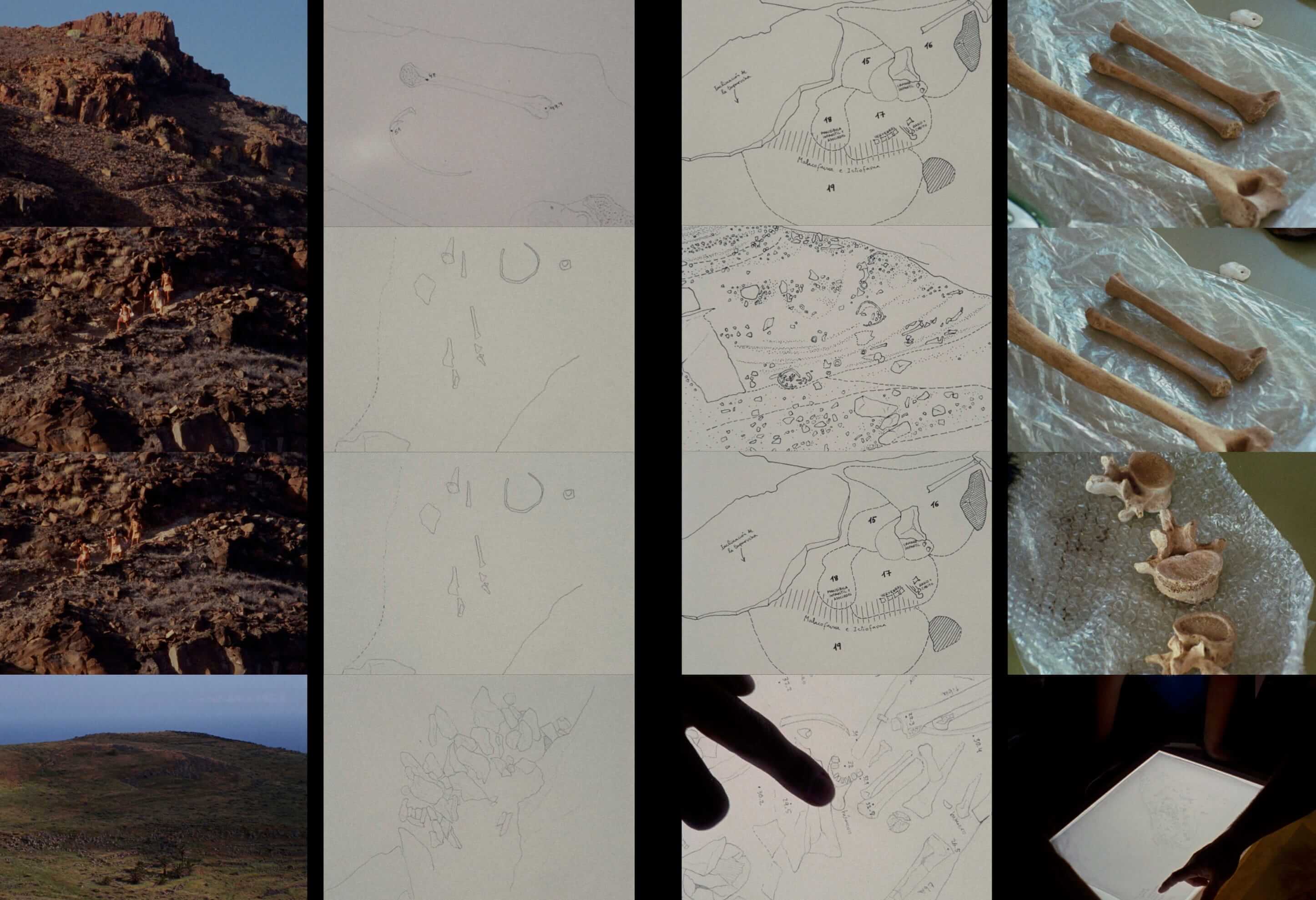
On my way back to La Gomera I met island archaeologist Juan Carlos Hernández, whom I had contacted by mail some weeks prior to my arrival. We met in the island’s Museum of Archaeology, located in the capital, San Sebastián. Juan Carlos gave me a whole new vision of the region, introducing me to the material remains of the indigenous culture still present in the landscape today. Together we explored several archaeological sites, offering a glimpse into these peoples’ animistic connections with nature and landscape. I began to see the island as an interconnected space, where history, territory and culture are deeply intertwined.
One of the most remarkable sites we visited was Las Toscas del Guirre, an archaeological site encountered in 2005 by Juan Carlos himself and José Miguel Trujillo. The cave contains the largest panel of Libyco-Berber inscriptions in the Canary Islands, which have deteriorated, and can only be seen clearly with special lighting.
In the corner of the cave is a small opening that looks out onto the landscape. This seemingly insignificant hole carved into the wall was found to be a solstice marker. On 22 December each year, at sunset, sunlight enters the cave through the artificial opening, casting a beam across the floor and up the opposite wall to align perfectly with a small oval depression carved into the eastern wall, just before the light fades. This indentation marks the precise spot of the winter solstice, confirming that, centuries ago, the first Gomeran people created the hole to make a solar calendar. I thought of the cave as a camera obscura of sorts – a space designed to capture light and time, but in a more archaic, symbolic sense.
EPILOGUE
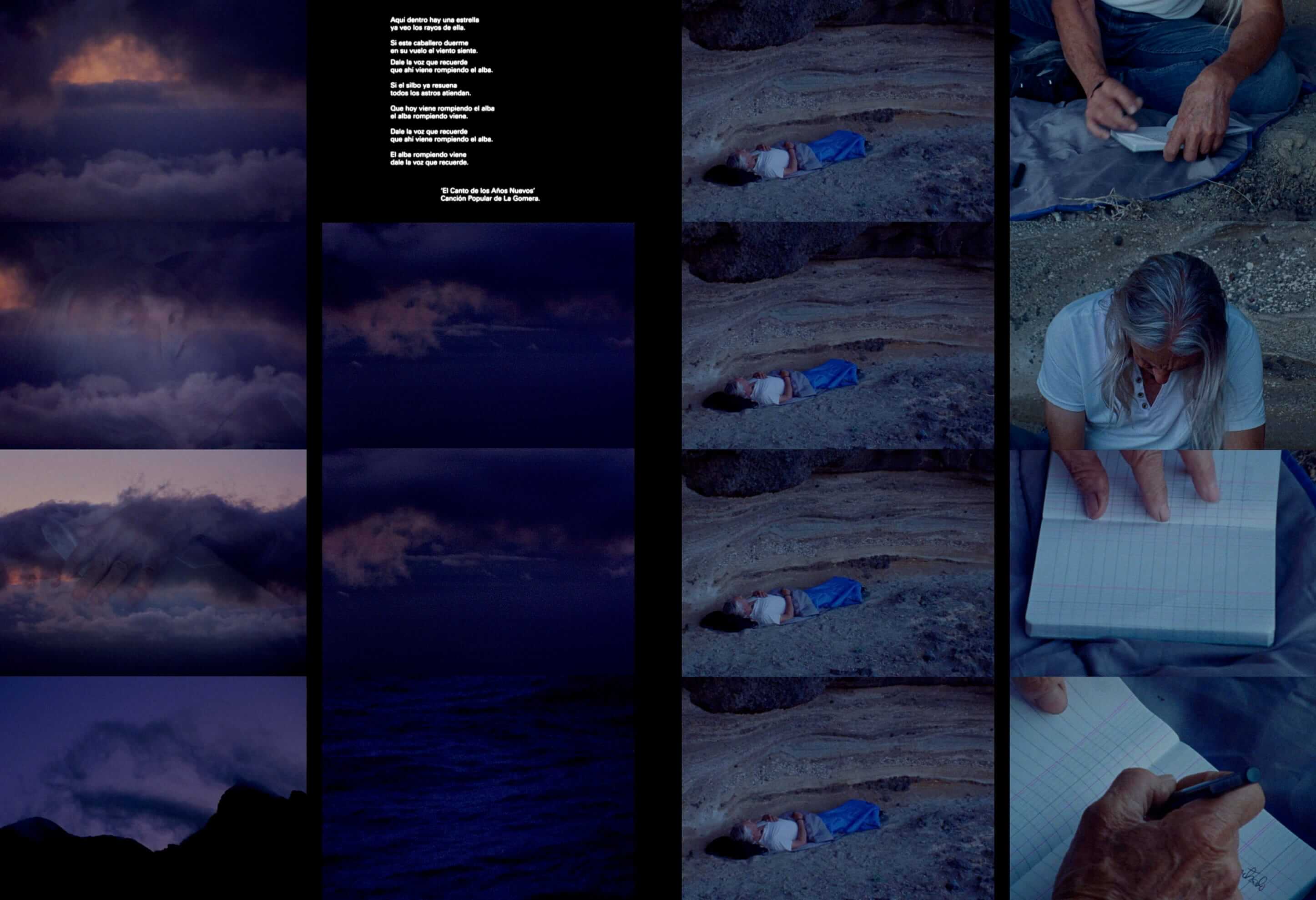
A few months later, along with my partner, Maria Oblicka, I boarded a ferry for the two-day journey across the Atlantic Ocean to the Canary Islands. During the journey, the air was thick with the hot Calima wind from the Sahara, carrying dust from the desert and making visibility very poor. For the next two days, all we saw was the still, calm sea, strangely serene in those winter days when the Atlantic is typically rough. We had returned to La Gomera for three months to make a film that would weave together my initial explorations of the island. Our project became a 23-minute film titled The Song of the Years to Come – a participatory work that immerses viewers in the island’s landscape, sounds, archaeology, and the collective memory of its inhabitants.
BIBLIOGRAPHY
LaBelle, Brandon (2014) Lexicon of the Mouth, Poetics and Politics of Voice and the Oral Imaginary (New York: Bloomsbury)
Schafer, R. Murray (1977) The Soundscape: Our Sonic Environment and the Tuning of the World (Rochester, VT: Destiny Books)