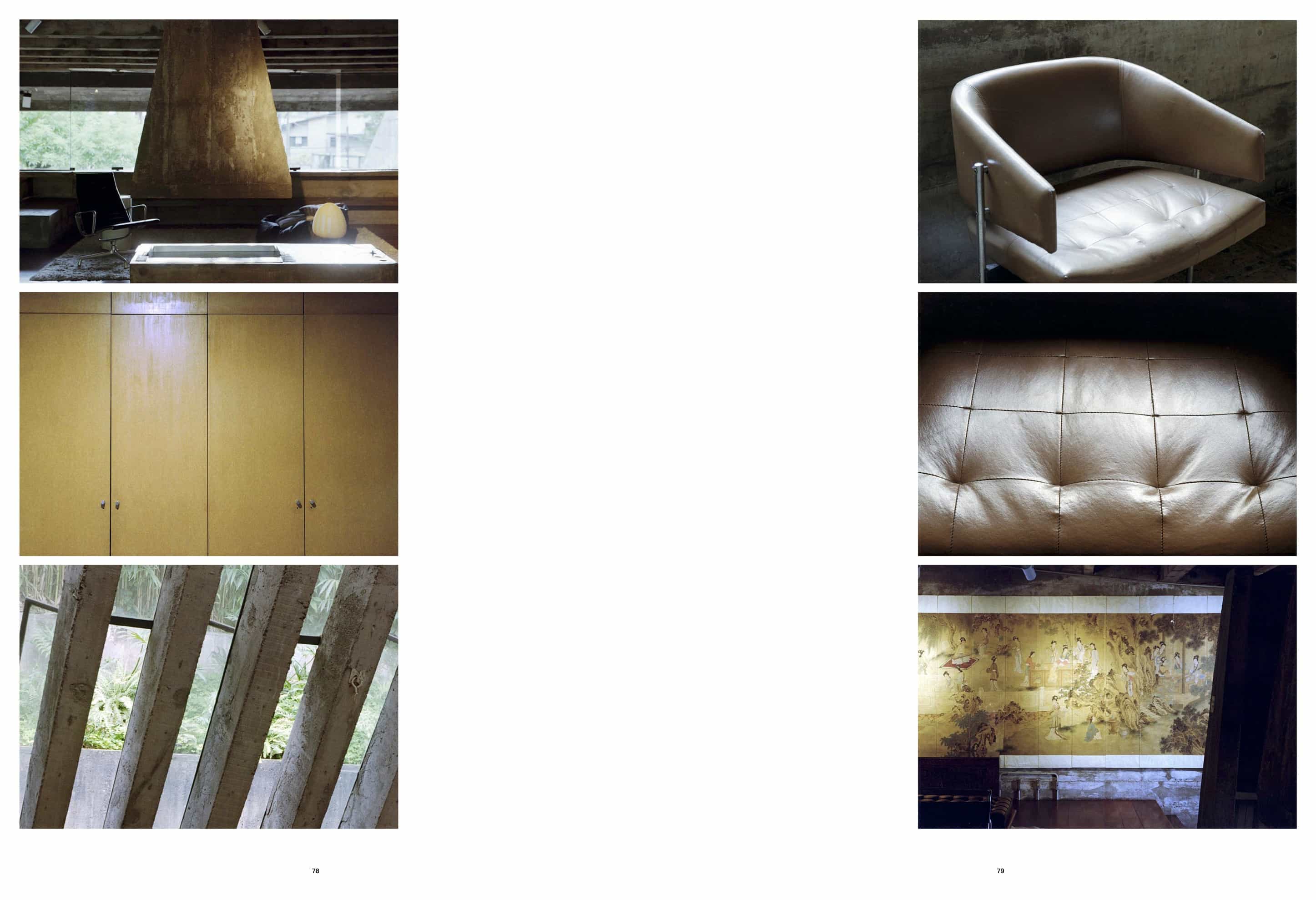
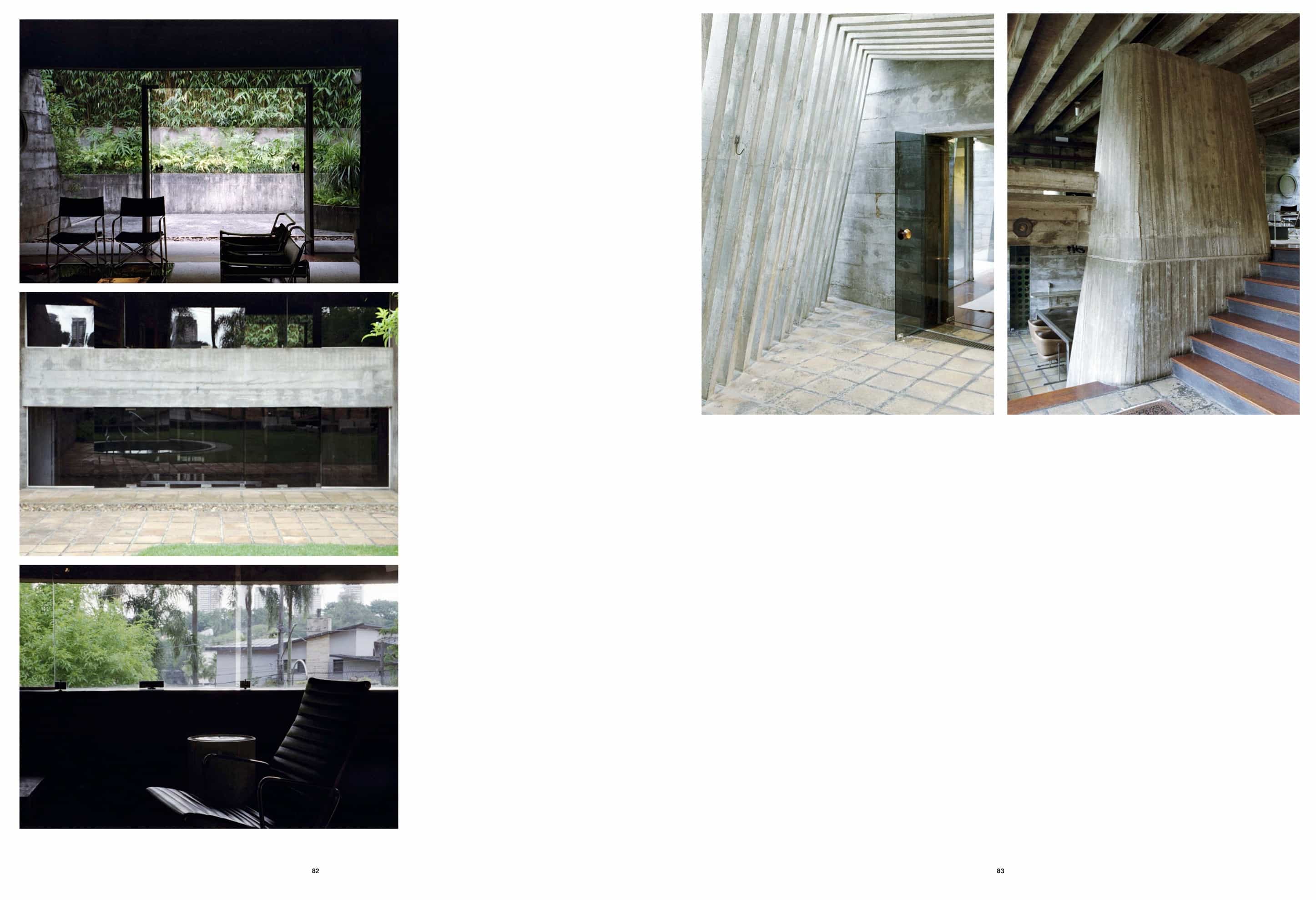
Chu Ming House, Early 1970s
This house in Brutalist style was created in the early 1970s by the visionary Asian-Brazilian architect and designer whose work for a large part remains unknown outside her country. Chu Ming Silveira (Shanghai, 1941 – São Paulo, 1997), who graduated in architecture from the Mackenzie Presbyterian University of São Paulo, earned fame for the design of the public telephone hoods commonly known as “Orelhinha” (little ear) and “Orelhão” (big ear). Icons of Brazilian design and world street furniture, upon their launch in 1971, the Brazilian Telephone Company (BTC) named them respectively Chu I and Chu II in honour of their creator. She took inspiration for their successful design from an egg shape which, in her view, provided “the best acoustic form”. The people soon created nicknames for the new urban features, such as “Tulip” and “Astronaut’s Helmet”, and the one that stuck: “Orelhão”. In March 1972, following the pay phones’ installation, the BTC celebrated a 12% increase in the average daily number of calls from public telephones. In 1973, the first public phones were exported to Mozambique. Today public telephones or models inspired by Chu Ming’s design can be found in Angola, Peru, Columbia, Paraguay and China. This same simplicity and respect for the forces of nature were features of her residential projects on the São Paulo coast, in particular in Ilhabela. Here she developed a unique style which she dubbed “Post-caiçara”, harmoniously slotting contemporary materials and techniques in with traditional Caiçaran culture. Besides architecture and design, Chu Ming also focused on visual programming during her professional career.