Botanical and Architectural Complex (1950s)
Loggia (1967) and Ateliê/Studio (1970s)
When he was about 38 years old, Roberto Burle Marx started to look for some land for his plant collection. By the end of the 1940s, the landscape architect owned an incredible amount of botanical species – a far greater number than he could keep in his farmhouse in Leme, a neighbourhood next to Copacabana which had also been home to Lucio Costa and Lina Bo Bardi.
Roberto and his younger brother Siegfried visited over a hundred sites in Rio de Janeiro before they found Sítio Santo Antônio da Bica, in 1949.
“I was really excited. I felt it’d been holding out for me, just as I’d been holding out for it,” the landscape architect said.
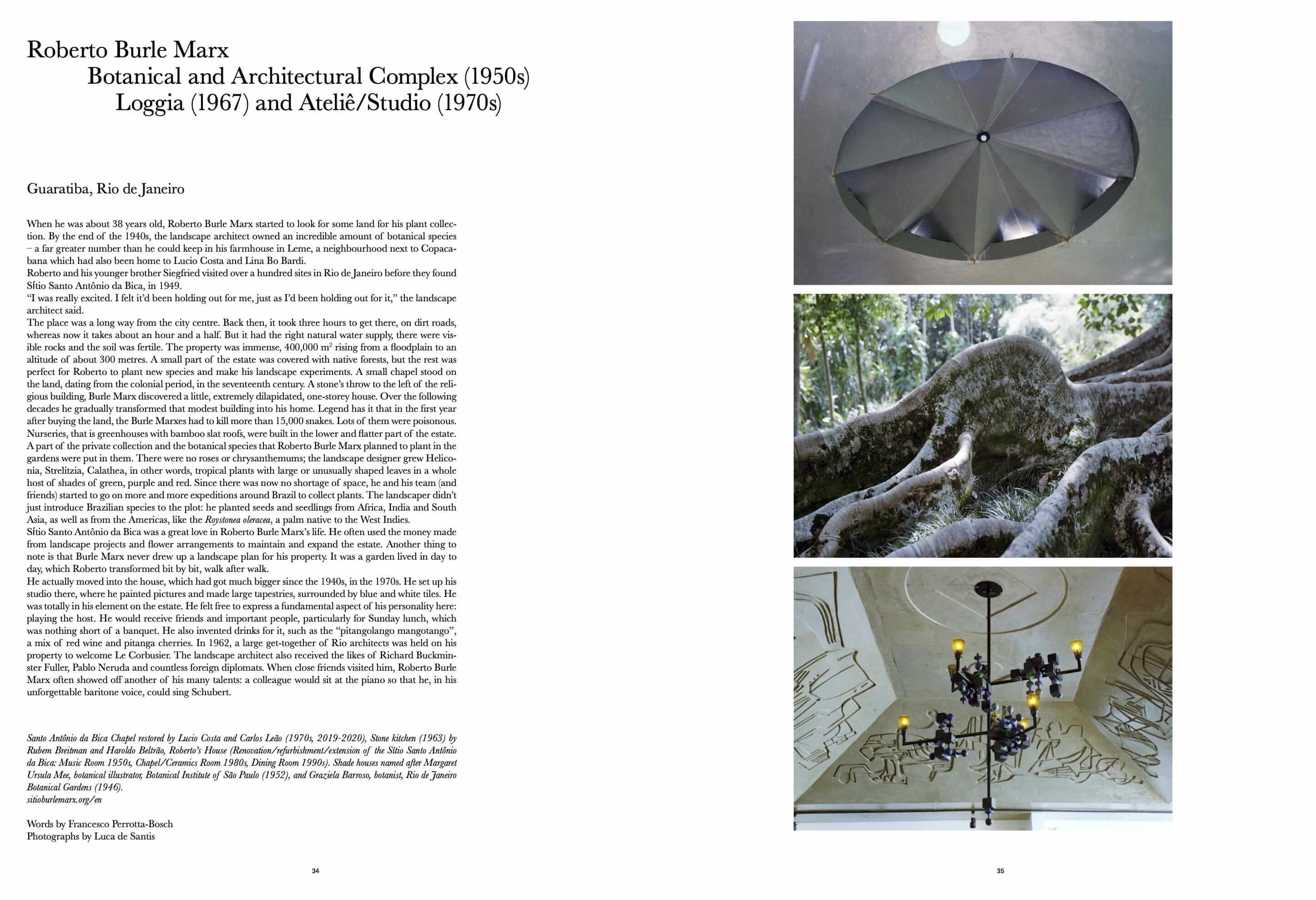
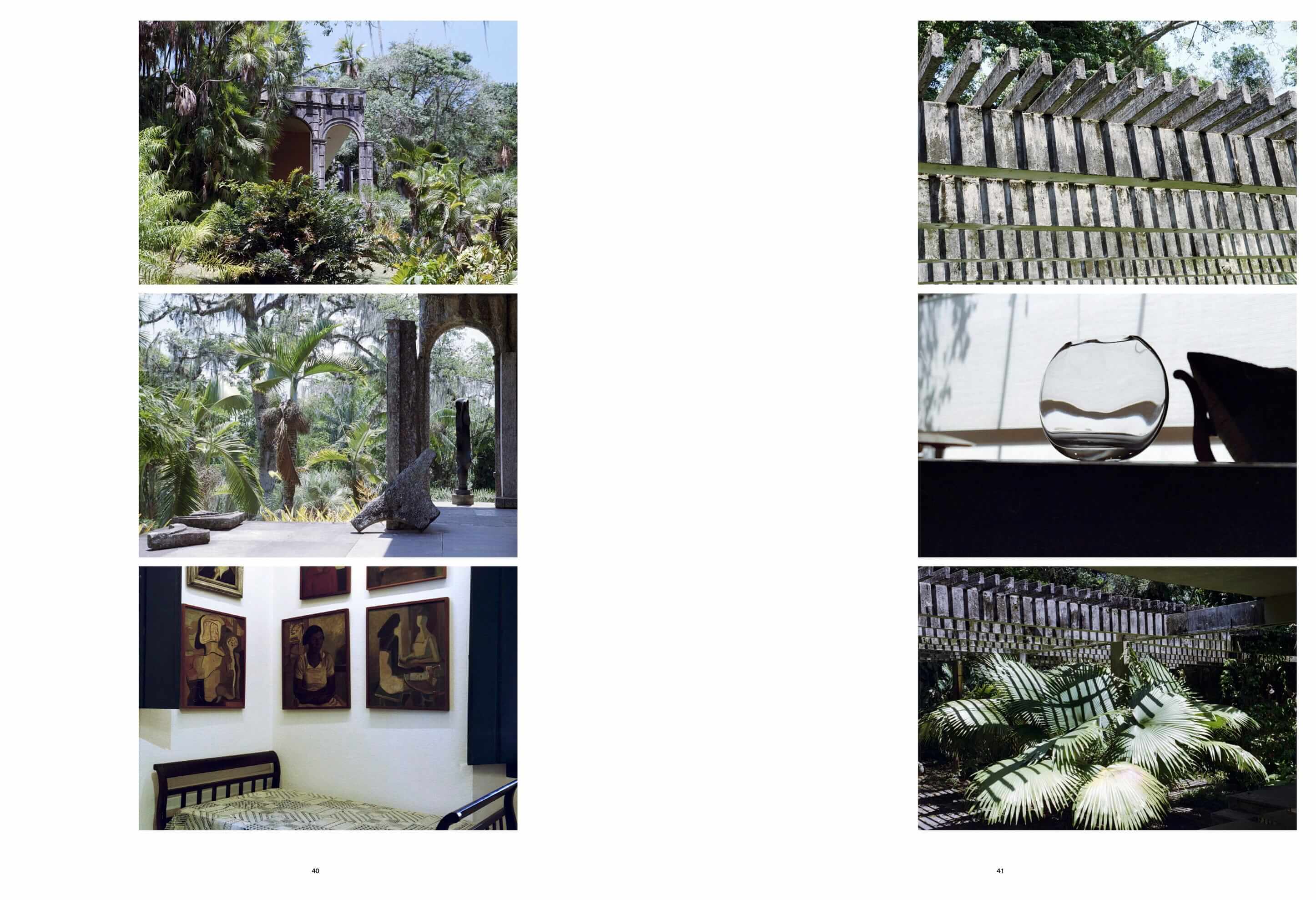
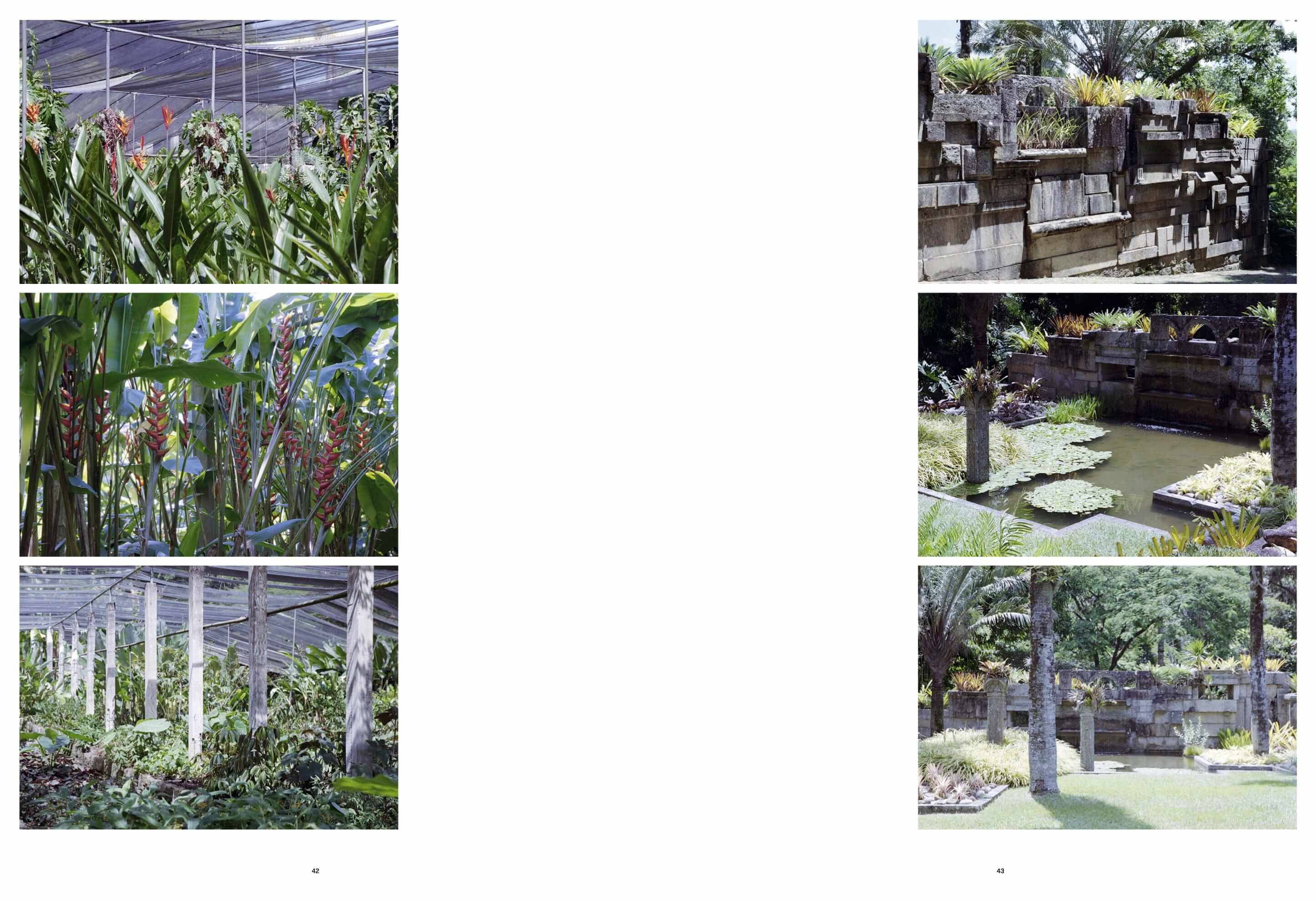
The place was a long way from the city centre. Back then, it took three hours to get there, on dirt roads, whereas now it takes about an hour and a half. But it had the right natural water supply, there were visible rocks and the soil was fertile. The property was immense, 400,000 m2 rising from a floodplain to an altitude of about 300 metres. A small part of the estate was covered with native forests, but the rest was perfect for Roberto to plant new species and make his landscape experiments. A small chapel stood on the land, dating from the colonial period, in the seventeenth century. A stone’s throw to the left of the religious building, Burle Marx discovered a little, extremely dilapidated, one-storey house. Over the following decades he gradually transformed that modest building into his home. Legend has it that in the first year after buying the land, the Burle Marxes had to kill more than 15,000 snakes. Lots of them were poisonous.
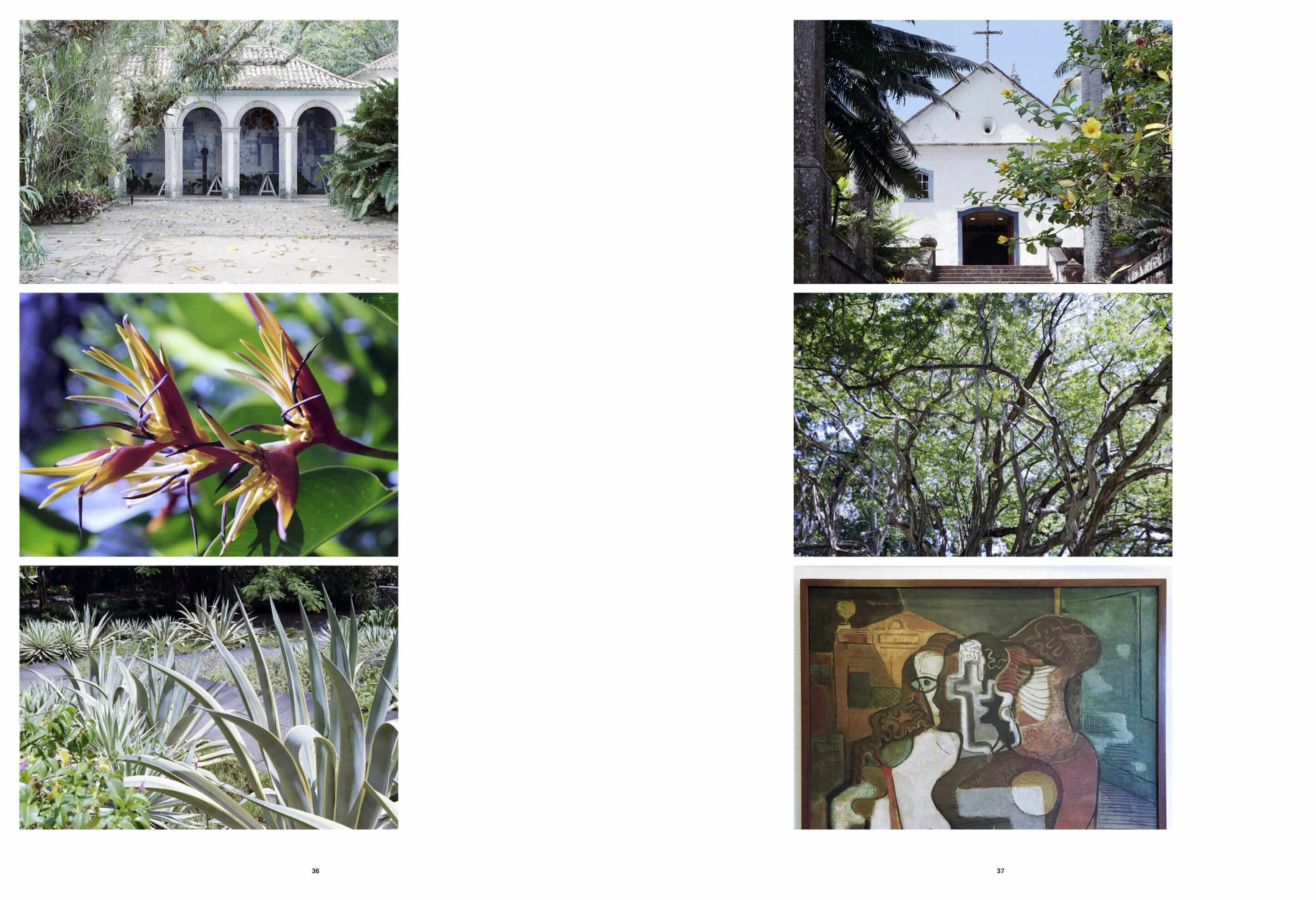
Nurseries, that is greenhouses with bamboo slat roofs, were built in the lower and flatter part of the estate. A part of the private collection and the botanical species that Roberto Burle Marx planned to plant in the gardens were put in them. There were no roses or chrysanthemums; the landscape designer grew Heliconia, Strelitzia, Calathea, in other words, tropical plants with large or unusually shaped leaves in a whole host of shades of green, purple and red. Since there was now no shortage of space, he and his team (and friends) started to go on more and more expeditions around Brazil to collect plants. The landscaper didn’t just introduce Brazilian species to the plot: he planted seeds and seedlings from Africa, India and South Asia, as well as from the Americas, like the Roystonea oleracea, a palm native to the West Indies.
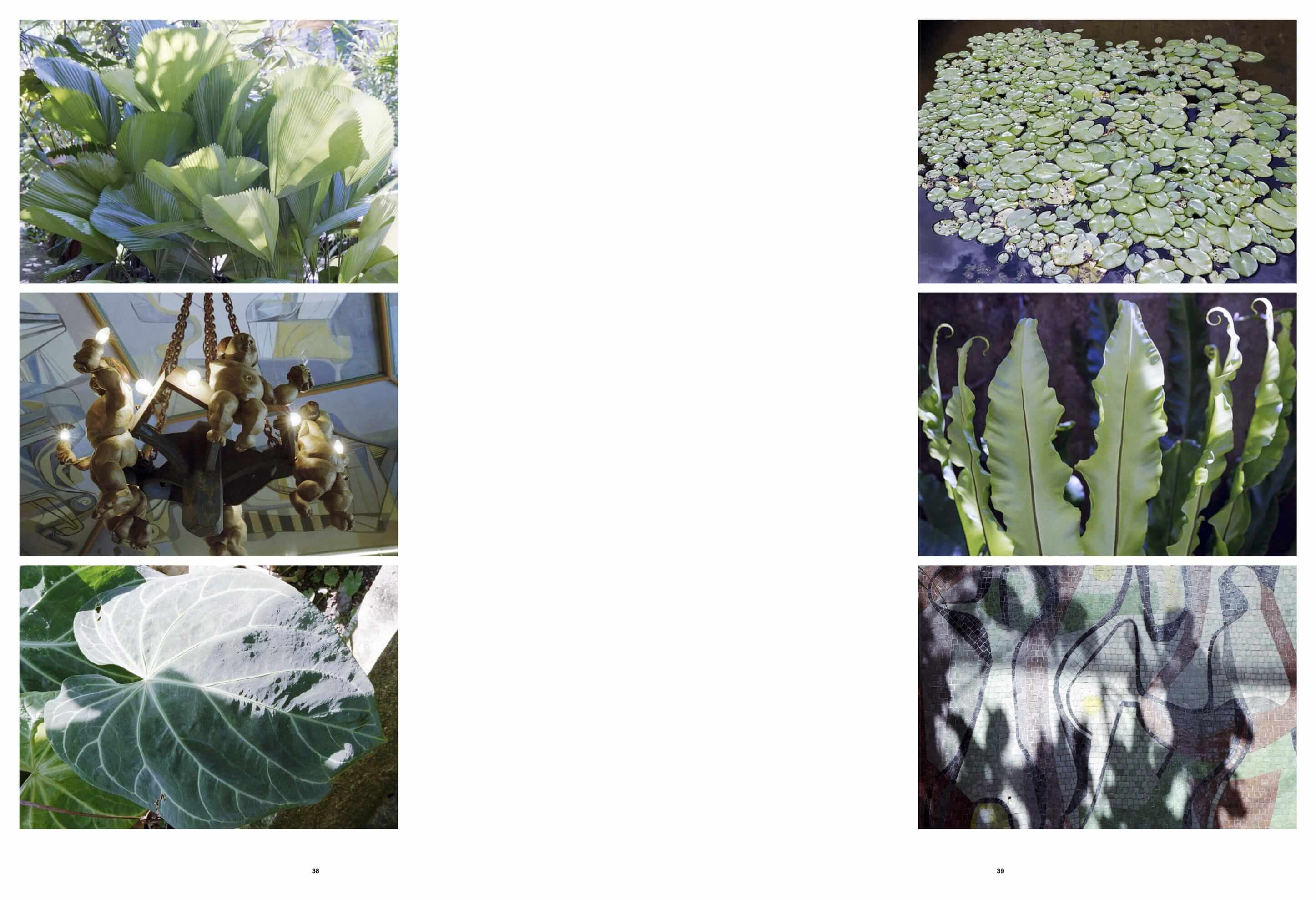
Sítio Santo Antônio da Bica was a great love in Roberto Burle Marx’s life. He often used the money made from landscape projects and flower arrangements to maintain and expand the estate. Another thing to note is that Burle Marx never drew up a landscape plan for his property. It was a garden lived in day to day, which Roberto transformed bit by bit, walk after walk. He actually moved into the house, which had got much bigger since the 1940s, in the 1970s. He set up his studio there, where he painted pictures and made large tapestries, surrounded by blue and white tiles. He was totally in his element on the estate. He felt free to express a fundamental aspect of his personality here: playing the host. He would receive friends and important people, particularly for Sunday lunch, which was nothing short of a banquet. He also invented drinks for it, such as the “pitangolango mangotango”, a mix of red wine and pitanga cherries. In 1962, a large get-together of Rio architects was held on his property to welcome Le Corbusier. The landscape architect also received the likes of Richard Buckminster Fuller, Pablo Neruda and countless foreign diplomats. When close friends visited him, Roberto Burle Marx often showed off another of his many talents: a colleague would sit at the piano so that he, in his unforgettable baritone voice, could sing Schubert.